THE EXAMPLE LIBRARY
Engineering starts with a drawing.
Fourteen drawings from the existing historical archive, each paired with a contemporary question and an inspectable sketch model.
These are illustrative sizing exercises inspired by historical artifacts, rather than reconstructions of their dimensions or performance. Source credits and model limits accompany each example.
See the Wright brothers drawing become an engineering overlay.
Inspect the historic source, register simplified geometry on top of it, and explore the assumptions behind a lift calculation. The current alignment is a manually adjusted illustration.
Try the Wright image-to-model overlay ↗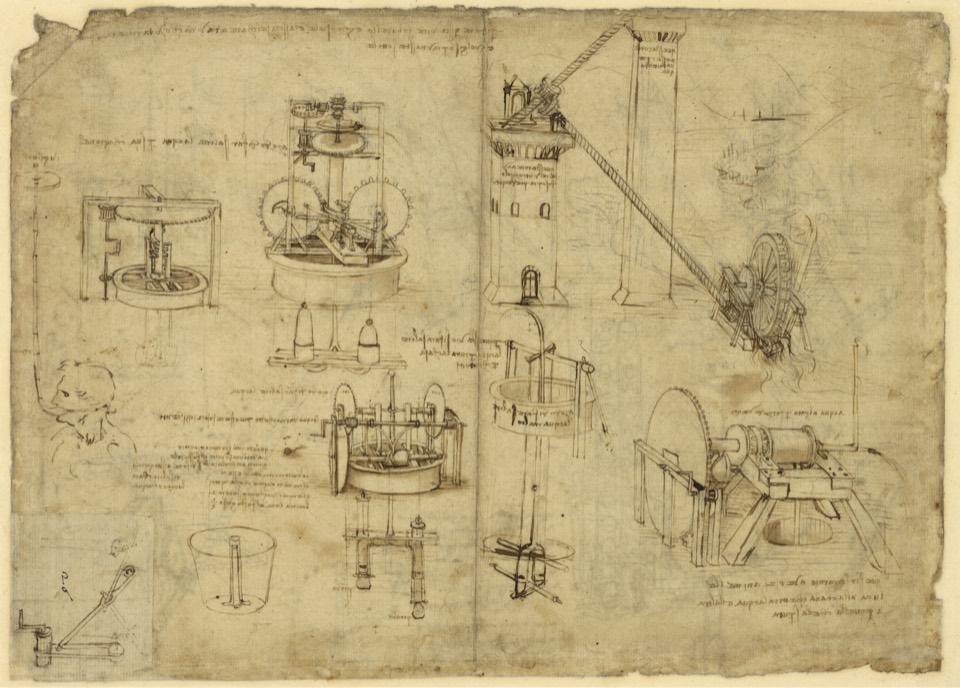 c. 1482
Water-raising machines
How much shaft power lifts a chosen water flow?
View drawing and source model ↗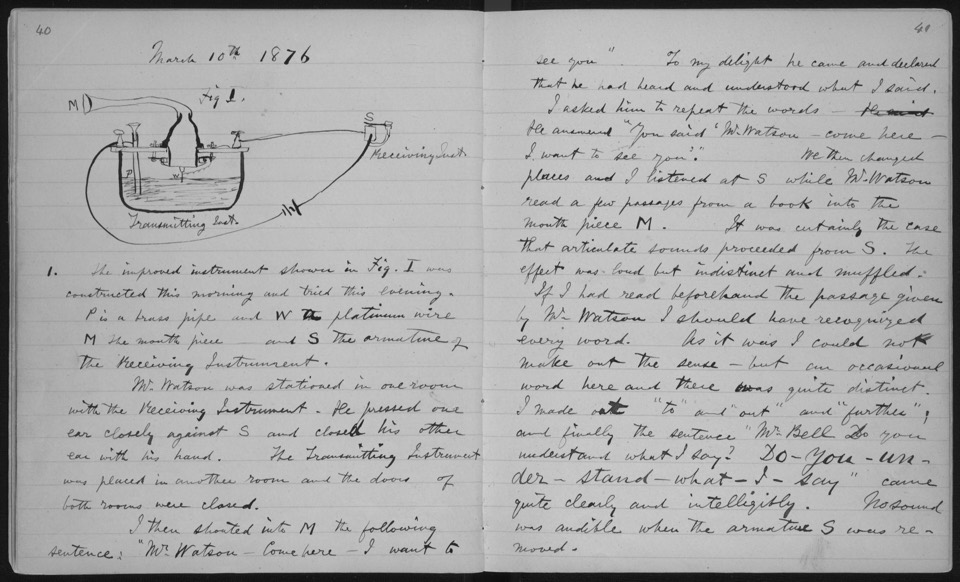 1876
Liquid transmitter
How large is a static current change from a resistance perturbation?
View drawing and source model ↗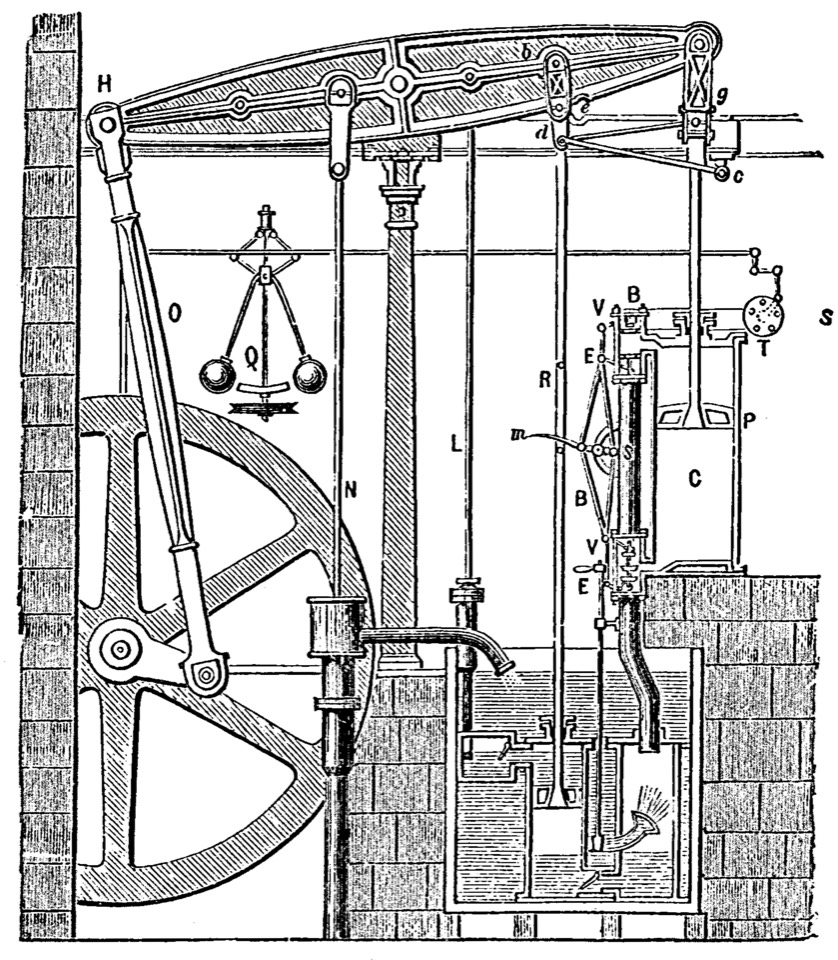 Drawing published 1878
Separate-condenser engine
What shaft power follows from an assumed mean effective pressure?
View drawing and source model ↗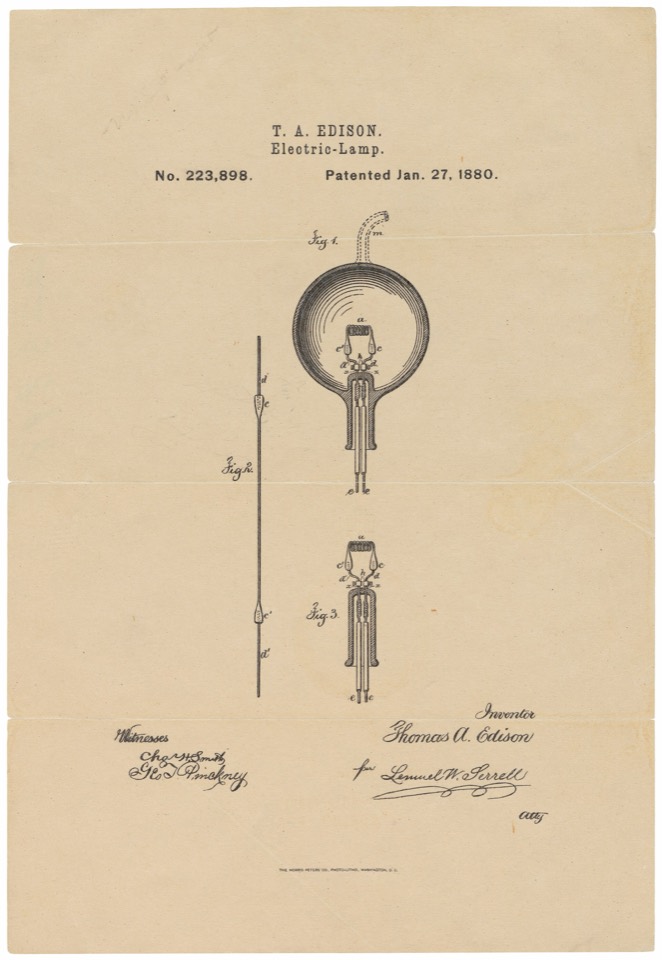 1880
Carbon-filament lamp
What current and power does an assumed hot filament draw?
View drawing and source model ↗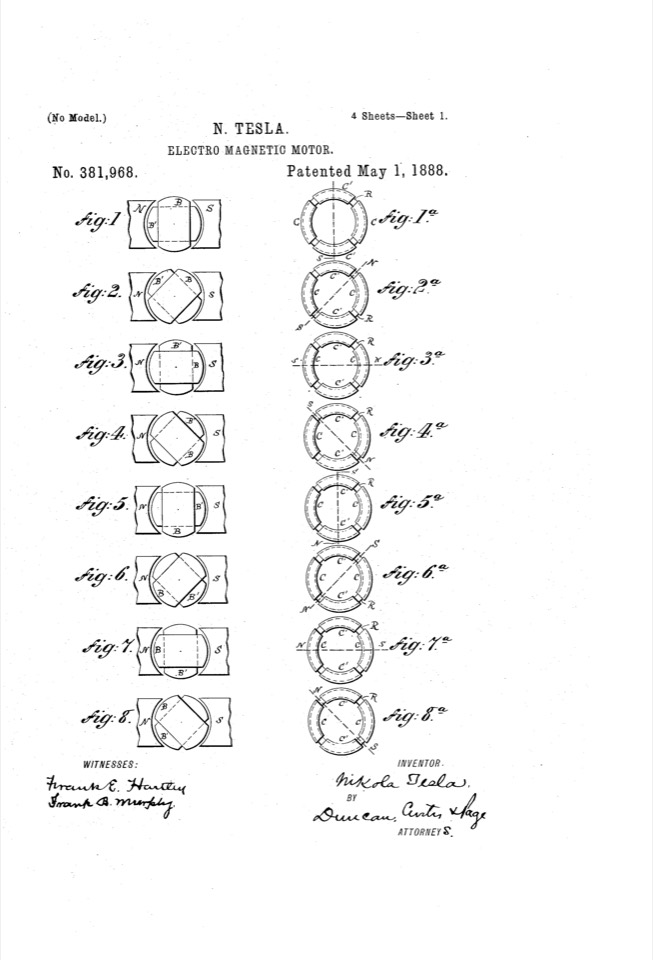 1888
Rotating-field motor
How do assumed slip and mechanical output set shaft speed and torque?
View drawing and source model ↗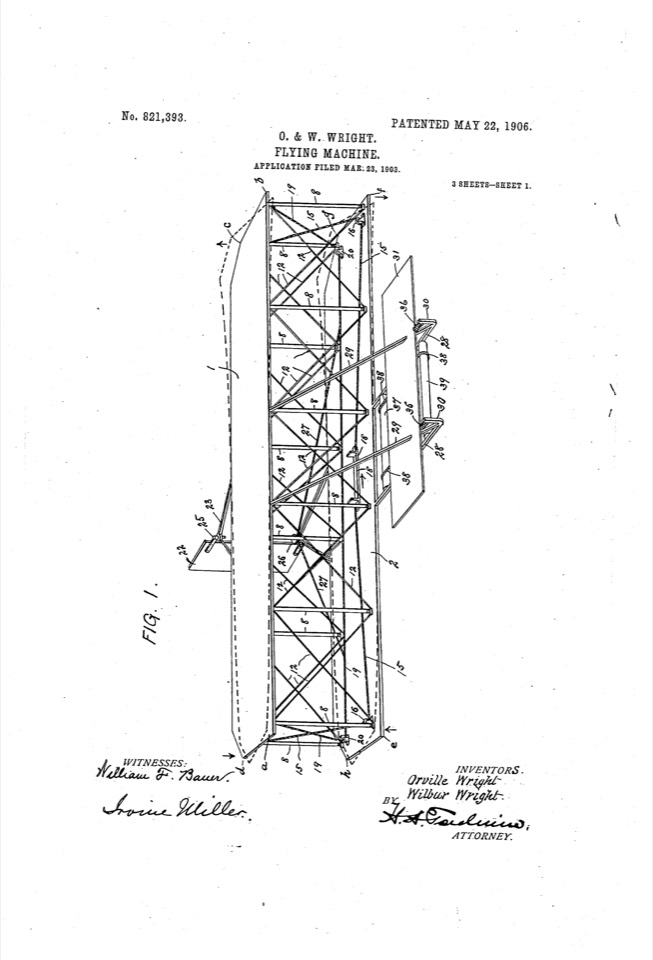 1906
Wing-warping aircraft
What airspeed gives enough idealized lift for an assumed mass?
View drawing and source model ↗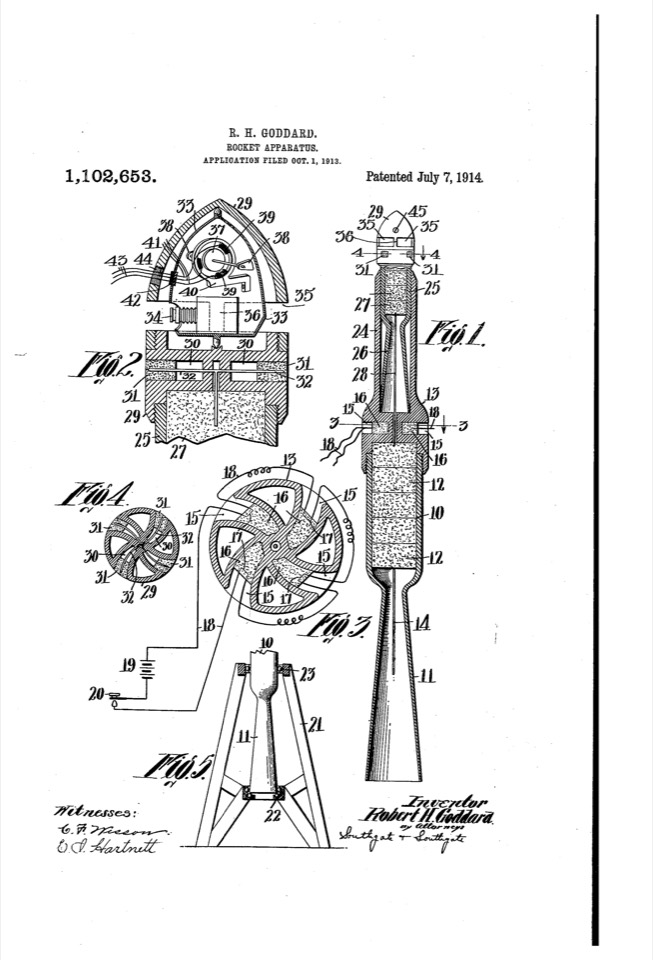 1914
Multistage rocket
What ideal velocity budget results from two assumed stage mass ratios?
View drawing and source model ↗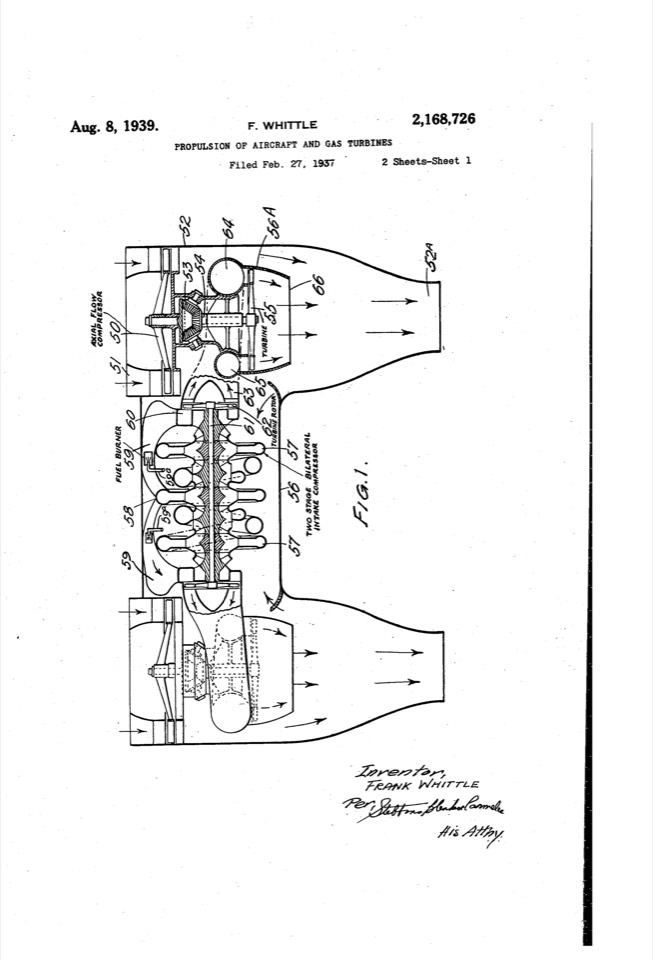 1939 (filed 1937)
Turbojet flow path
What momentum thrust follows from assumed inlet and exit conditions?
View drawing and source model ↗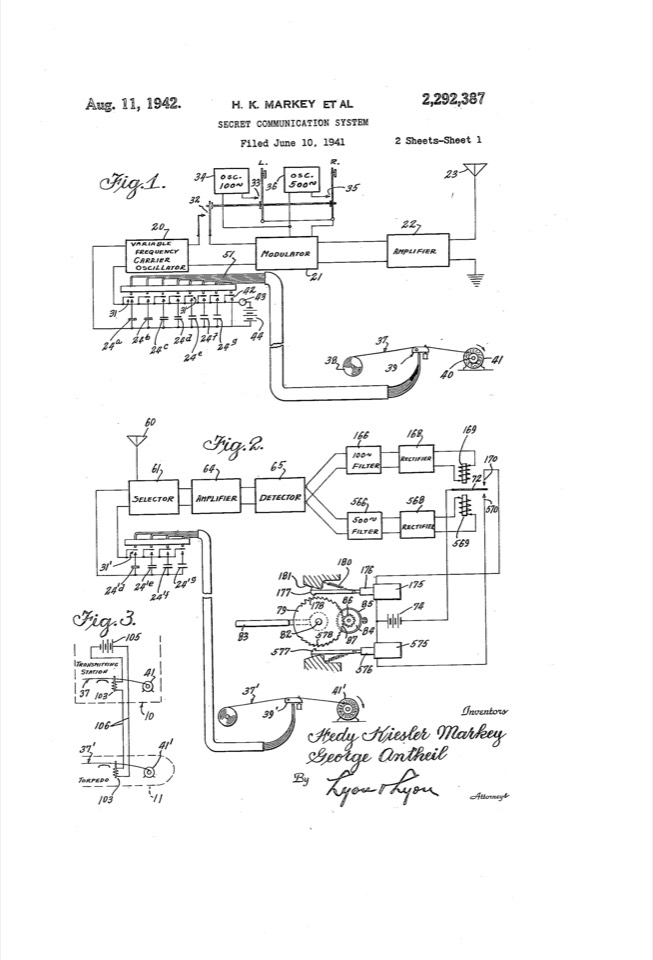 1942
Synchronized frequency hopping
How much time remains after retuning and synchronization allowances?
View drawing and source model ↗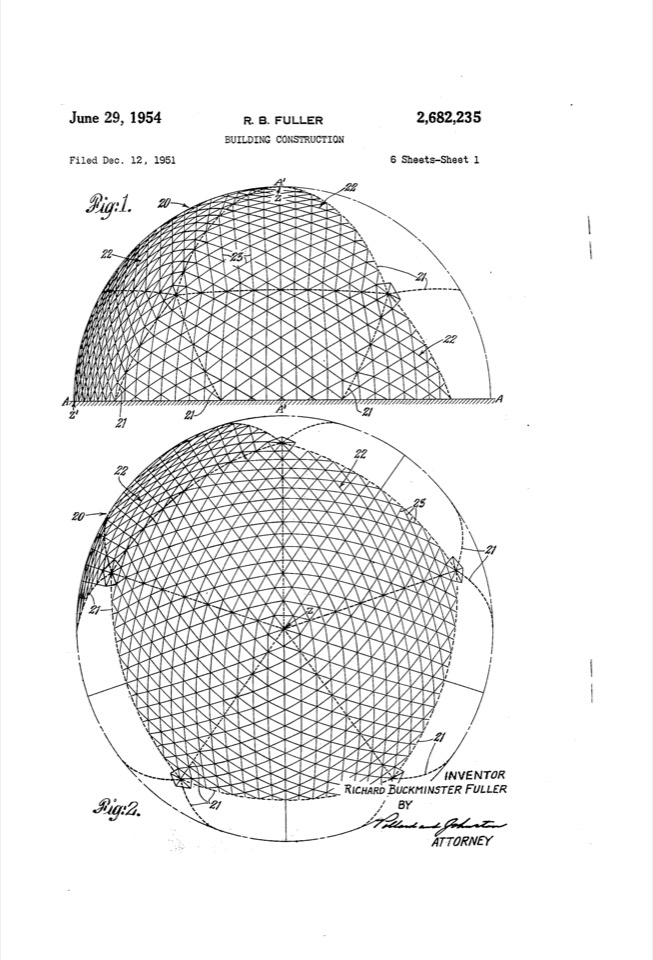 1954
Geodesic structure
What axial stress follows for one idealized loaded strut?
View drawing and source model ↗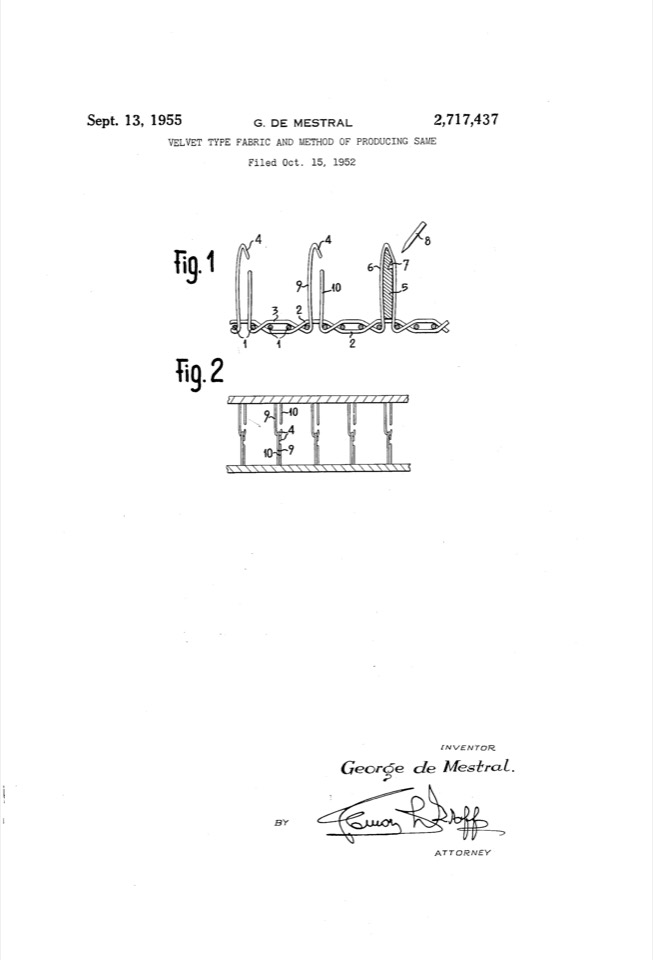 1955
Hook-and-loop fastening
How large a bonded engagement area carries an assumed shear load?
View drawing and source model ↗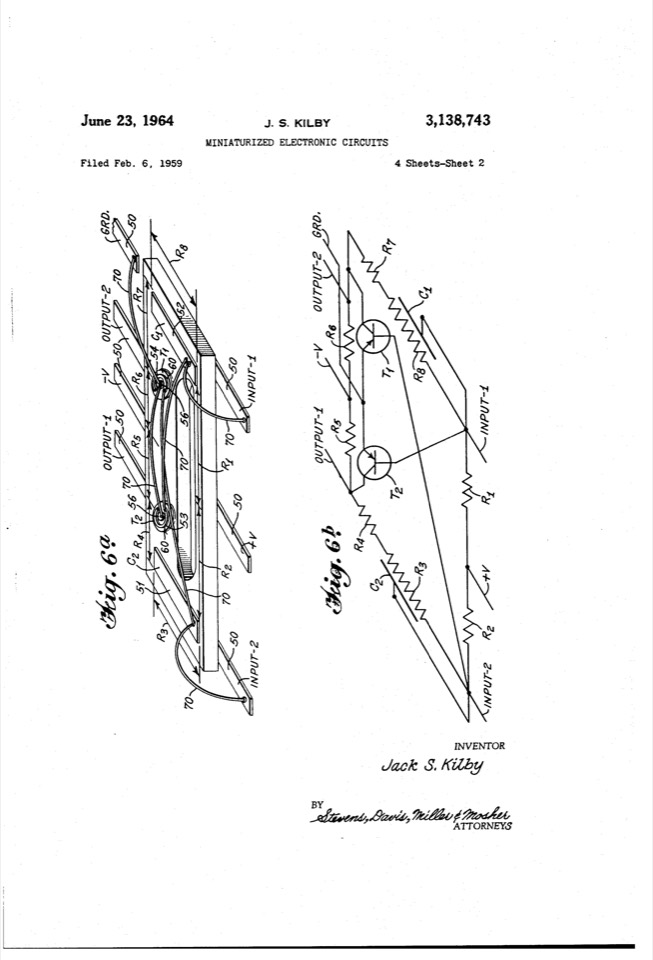 1964 (filed 1959)
Miniaturized circuit
How does assumed lumped parasitic capacitance limit a simple RC response?
View drawing and source model ↗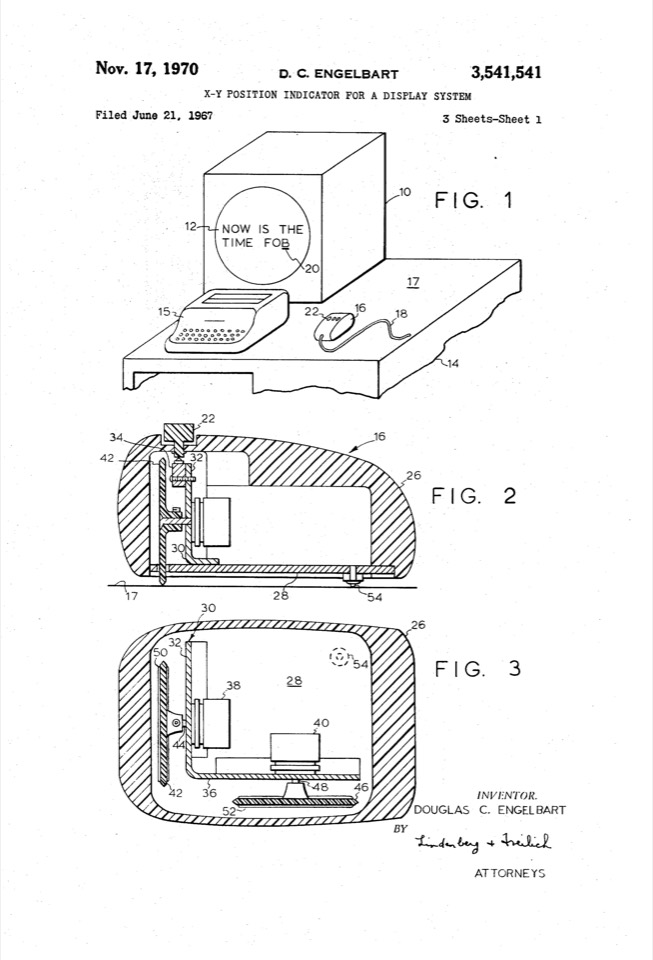 1970
X–Y position indicator
What surface displacement corresponds to one wheel-encoder count?
View drawing and source model ↗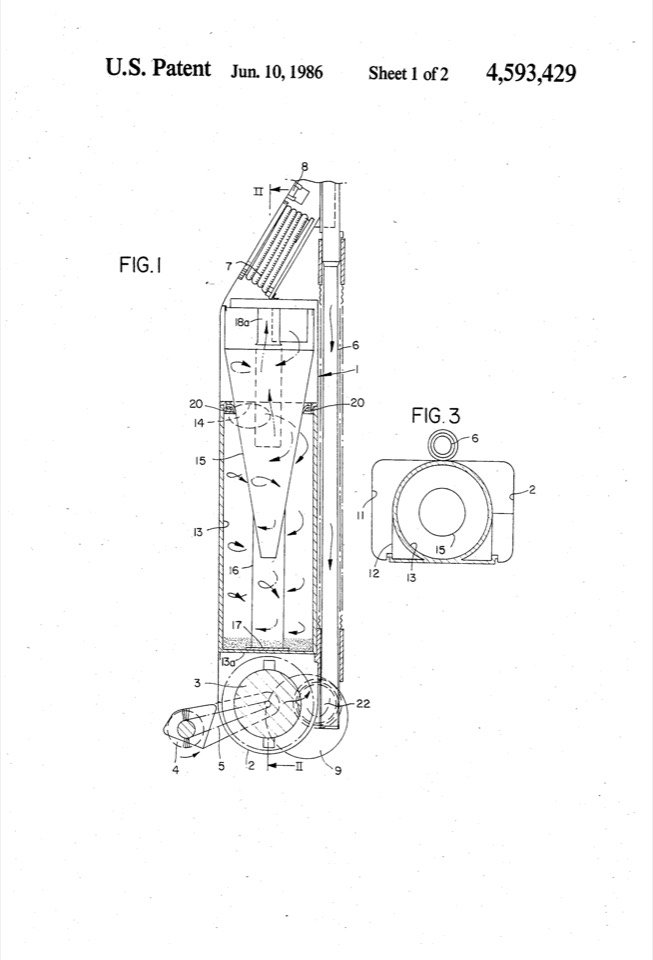 1986 (filed 1984)
Cyclonic vacuum cleaner
How much fan shaft power supports an assumed flow and pressure drop?
View drawing and source model ↗